
EXW, FOB, CIF and DAP for Aluminium Structures
EXW, FOB, CIF, DAP: four three-letter terms that decide where a supplier’s responsibility ends and where the buyer’s begins. On an aluminium structure order the choice changes the price, the risk and the paperwork, and it is often decided at the last minute by whoever answers the email. It should be decided before the quotation.
EXW: you collect from the factory
Ex works means the buyer takes the goods at the factory gate in Foshan. The supplier packs and hands over; everything after that — inland trucking, export clearance, ocean freight, insurance, destination charges — is the buyer’s. EXW looks cheapest on a quotation and is usually the worst value for a buyer without a forwarder in China, because the cheapest inland rate and the correct export documents are not things a first-time importer can arrange alone.
FOB: the supplier delivers to the vessel
Free on board means the supplier delivers the packed goods to the named port and clears them for export; the buyer pays the ocean freight from that point. This is the most common term for structure orders because it splits the work where each party has the better rate. The supplier knows the inland route and the export paperwork; the buyer knows the destination and can choose a forwarder.
One detail to fix in the quotation: the named port. FOB Shenzhen, FOB Nansha and FOB Foshan are not the same number. The inland leg differs, and on a full container it can be a real line.
CIF: freight and insurance included
Cost, insurance and freight means the supplier pays the ocean freight and the marine insurance to the destination port. The buyer still handles import clearance, duty and the destination charges. CIF is convenient for a buyer who wants one number, but it hides the freight inside the goods price, and it means the supplier chooses the shipping line.
Ask for the freight as a separate line even when the quote is CIF. If a slower service is used to protect the margin, that is visible in the transit time rather than in the price.
DAP: delivered to the site
Delivered at place means the supplier carries the goods to a named address and the buyer handles import duty. On structures this is attractive because a 6 metre beam is difficult to move once it has been dropped at a port warehouse. But DAP requires the supplier to arrange destination trucking, which usually means using the buyer’s local agent at a markup.
For project sites with a crane and a delivery window, DAP can be the term that keeps a schedule. For a first trial order, it is usually more trouble than it removes.
How the term changes the packing decision
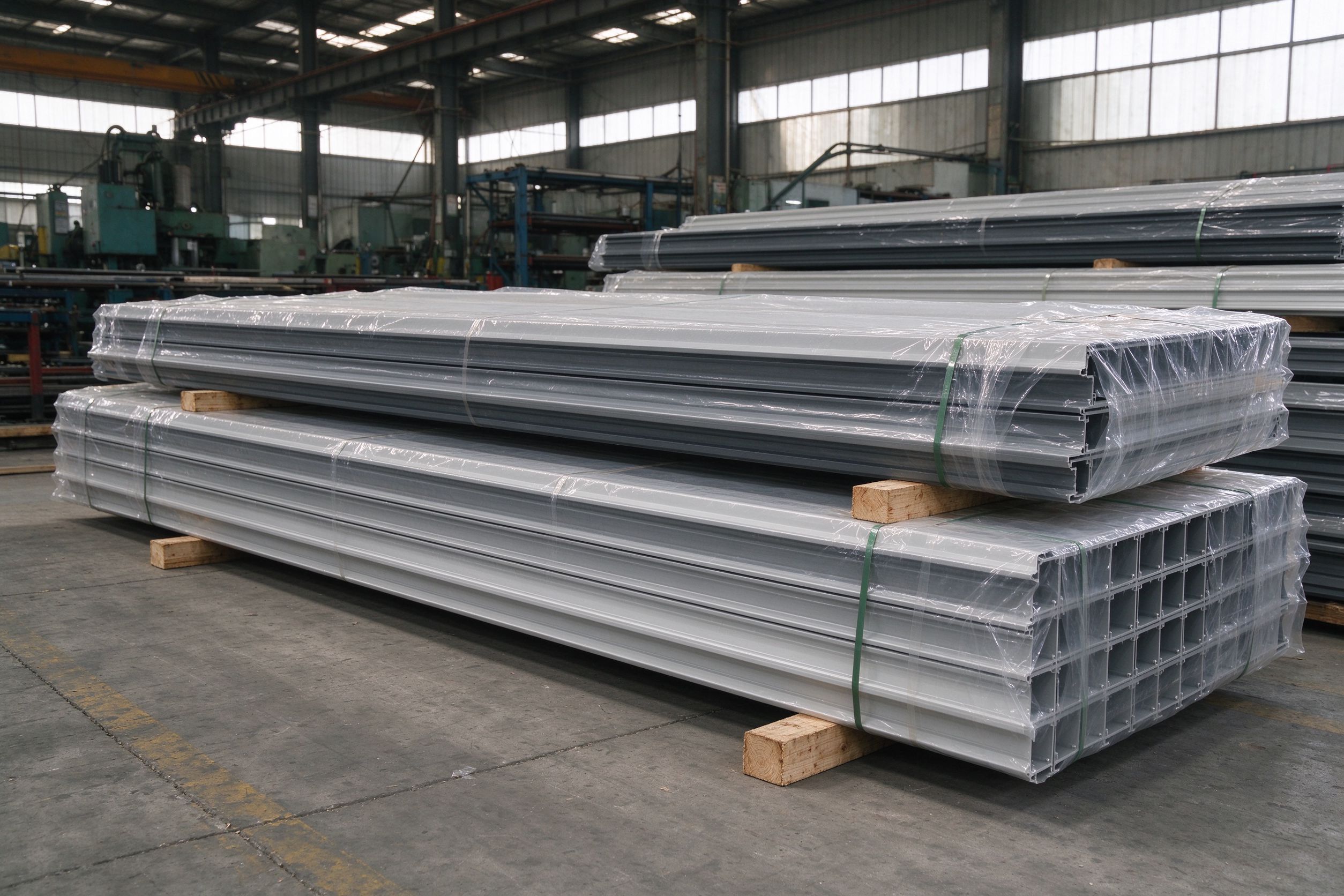
The term decides who handles the crates and how often. Under EXW the buyer’s trucker loads at the factory; under FOB the crates go to a container freight station and are handled again; under CIF the container is stuffed once. Each extra handling argues for stronger corner protection and clearer marks. The packing has to be priced with the term, not after it.
What to write in the order
Term, named place or port, and who pays which charge. Then the packing method, the marks, and the documents that must travel with the goods: packing list, invoice, bill of lading, and any certificate the destination requires. A structure order that names all four is a structure order that can be cleared without a phone call from a customs broker at midnight.
Insurance: who buys it, and what it actually covers
Under CIF the supplier buys marine insurance at the minimum cover the term requires, which is usually institute cargo clauses C. That cover does not include handling damage caused by rough stevedoring in the same way that an all-risks policy does. Under FOB the buyer arranges the insurance for the ocean leg and usually extends it to the inland delivery. Either way, powder-coated profiles are finished goods: a scratch is a claim, and a claim needs a survey and photographs taken before the crate is opened fully.
Decide who insures and at what cover before the goods leave, not when the first crate is found damaged.
Freight rate against freight time
The cheapest sailing is rarely the fastest, and on a project the schedule usually matters more than the last few hundred dollars of freight. A structure that arrives three weeks late because it was routed on a slow service can hold a whole site. Ask for both a rate and a transit time, and pick with both numbers in view.
One last practical point: the term belongs on the order confirmation, not only in the quotation. A price quoted FOB and an order confirmed CIF is a dispute waiting for the first freight invoice.
Related: LCL or a full container.
Next step: the three series and their specifications are on the louvered pergola product page. If you already have bay sizes, send them through the contact form for a first price.
Keep reading
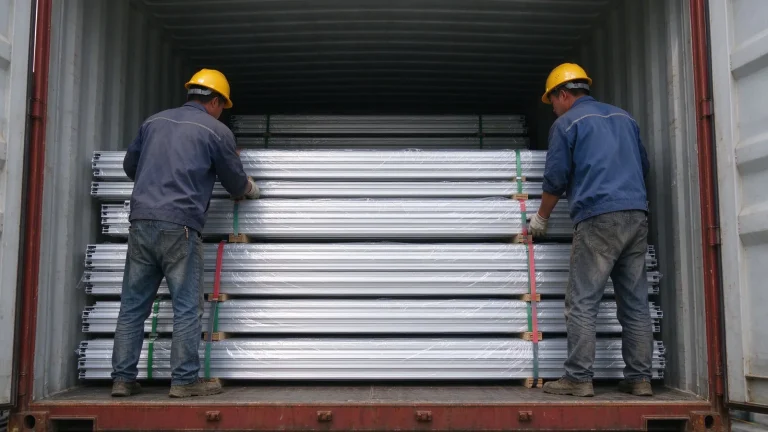
Packing list marks: why the crate and the list must agree
Two documents describe the same shipment. When they disagree, the container waits at the port.
Read article →
LCL or a full container for an outdoor structure order
It is not only about freight cost. It is about how many times the material is handled before…
Read article →
How an outdoor aluminium structure travels from shop to container
It leaves the shop as a stack of profiles and small parts, and arrives as something a crew…
Read article →Related notes
- Deposit and Balance: Payment Terms on an Aluminium Structure Order
- How to Budget an Aluminium Pergola Project in Five Lines
- Louvered Pergola Cost per Square Metre: What Moves the Number
Working on a project? Send a drawing and we reply from the Foshan plant with a first price. Not sure which line fits — start from the six product lines.