
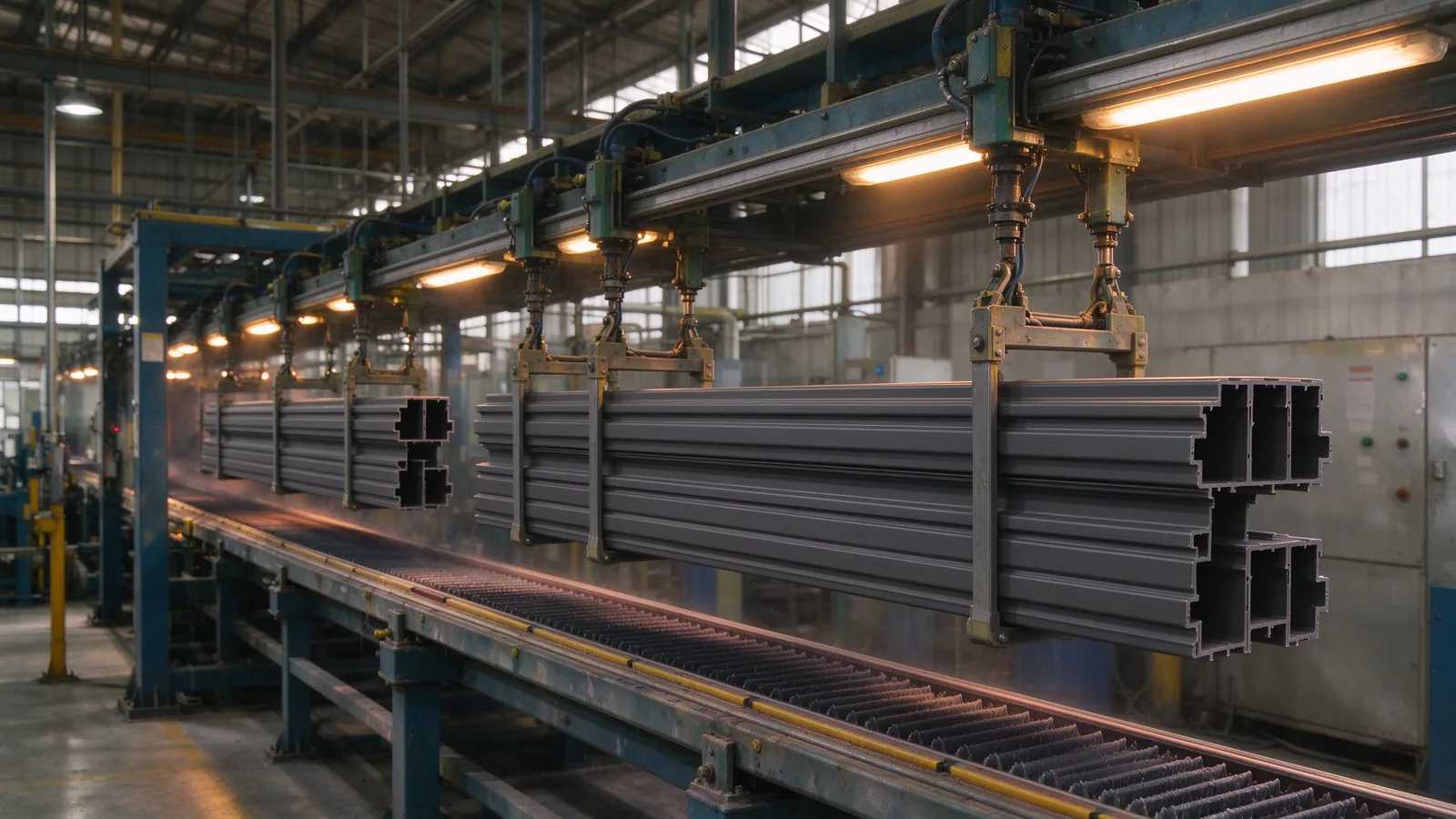
Both finishes turn up on the same drawings, often written by the same person, and they are not interchangeable. The difference is not colour, it is what happens to the surface of the metal — and what that means two winters and one scratched crate later.
Two different mechanisms
Powder coating is an applied film. A dry powder is sprayed electrostatically onto a cleaned profile, then cured in an oven at roughly 200 °C until it flows into a continuous skin, typically 60–80 microns thick. The metal underneath is untouched; the coating sits on top of it.
Anodising is a conversion process. The aluminium surface itself is grown into an oxide layer by an electrolytic bath, usually 10–25 microns depending on the class specified. There is no separate film, so there is nothing to chip off — the oxide is part of the metal.
That single difference explains almost everything that follows: how they look, how they age, how they are repaired, and how they should be written into a specification.
Appearance
Powder coating is opaque and comes in a wide colour range, matched to RAL or to a custom sample. It can be gloss, matt, textured or metallic, and it hides small surface imperfections in the extrusion because it covers them.
Anodising is translucent and metallic. The colour comes from the oxide depth and from dyes that sit in the pores, so the palette is narrower — natural silver, champagne, bronze, black, and a handful of dyed tones. The extrusion’s own surface quality shows through, which is why anodised profiles are usually made from better dies and better billets.
Durability outdoors
A standard polyester powder coat is the workhorse of architectural aluminium and will hold colour for a decade or more in a temperate climate. Its weak points are chalking and colour drift under strong UV, and mechanical damage: a scratch through the film exposes bare metal, and corrosion then spreads sideways underneath the coating where you cannot see it.
Anodising does not chalk in the same way and does not delaminate, because there is no layer to delaminate. Its weak points are different: it is thinner, it scratches to a visible bright line, and it is sensitive to strong alkalis and to some acid cleaners, which attack the oxide directly. In a coastal or industrial atmosphere, a sealed anodic layer performs well, but an unsealed one can stain.
The question people actually ask: what happens on site
A powder-coated structure that gets a scratch during installation can be touched up with matching paint in the same colour system. It will not be invisible on gloss, it is close to invisible on matt, and it closes the film so water cannot reach the metal. That is a five-minute repair.
An anodised structure that gets the same scratch cannot be touched up to match. There is no paint that reproduces an anodic colour, and the bright metal line stays visible. The practical answer is to protect the profile during handling and accept that a deep mark is permanent. This is why anodised is usually specified where the material is handled carefully — interior columns, feature frames, high-end facades — rather than where a crew is dragging it across a slab.
Coastal sites
Both systems are used within a few kilometres of the sea, but not interchangeably. For powder coating, the specification matters: a standard polyester is usually adequate, a super-durable or fluoropolymer grade is better where UV and salt combine. For anodising, the class matters more than the colour — a 20 micron layer with a proper seal outlasts a 10 micron decorative finish by a wide margin. On either system, the detail that decides the outcome is drainage and standoff: a joint that holds salt water will fail whatever the finish is.
How to spot the difference on a sample
Look at an internal corner or a cut end. A powder-coated profile shows a distinct edge where the film stops at the cut; you can usually feel the step with a fingernail. Anodised shows the same colour and the same metallic character right through the cut face, with no step. On a hidden area, a solvent wipe will dull a cheap powder coat and leave anodising largely unaffected.
What to write in the specification
- Powder: the colour reference, the finish type (gloss/matt/textured), the resin system, and the nominal film thickness in microns.
- Anodising: the class or the nominal layer thickness, the colour, and whether the layer is sealed.
- Either: which surfaces are finished — all faces, or visible faces only — because a quote that assumes visible-only is cheaper and looks identical in a photo.
- Repair: what touch-up material is supplied, and in what quantity.
- Warranty: stated in writing, with the conditions that void it (abrasive cleaning, acid wash, edge damage).
How this shows up in a quotation
Two quotes can both say “dark grey aluminium” and be 20% apart for reasons that have nothing to do with profit: a 40 micron decorative powder film against a 70 micron architectural one; a 10 micron anodised layer against a 20 micron sealed layer; visible faces only against all faces. When you compare, compare the film, not the colour word.
On our structures the coating warranty is written into the quotation rather than promised verbally, and the finish is named on the shop drawing so the packing and the touch-up kit match what was approved. If you are weighing the two systems for a specific project, the louvered pergola range shows both in production, and the note on 6063 versus 6061 covers the alloy side of the same specification conversation.
Keep reading
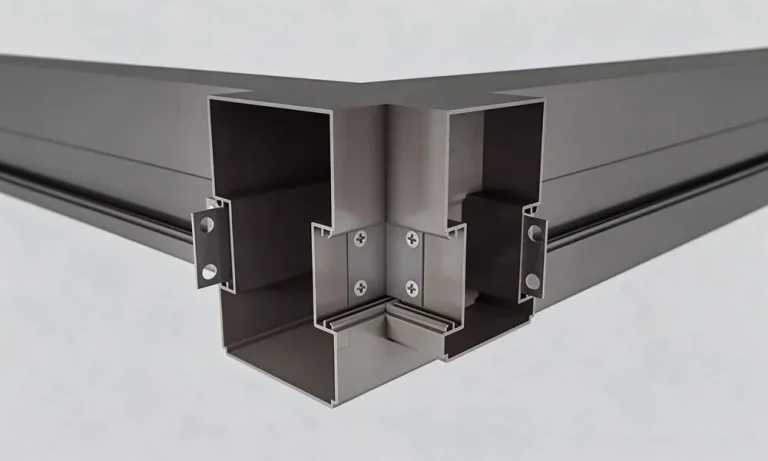
Internal or External Foot: Which Base to Specify
Internal or external foot on a louvered pergola: plate area and anchor access, which detail the wind decides,…
Read article →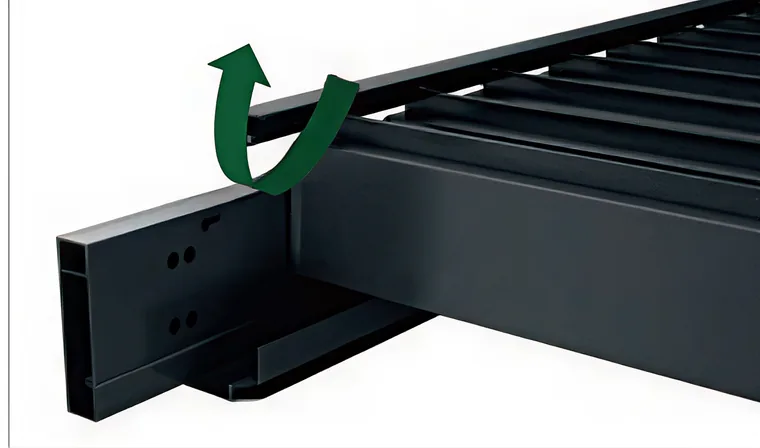
Blade Sections 160×29, 180×35 and 220×45: What Changes
Blade sections on a louvered pergola: 160x29, 180x35 and 220x45, what each spans, how blade count changes shade,…
Read article →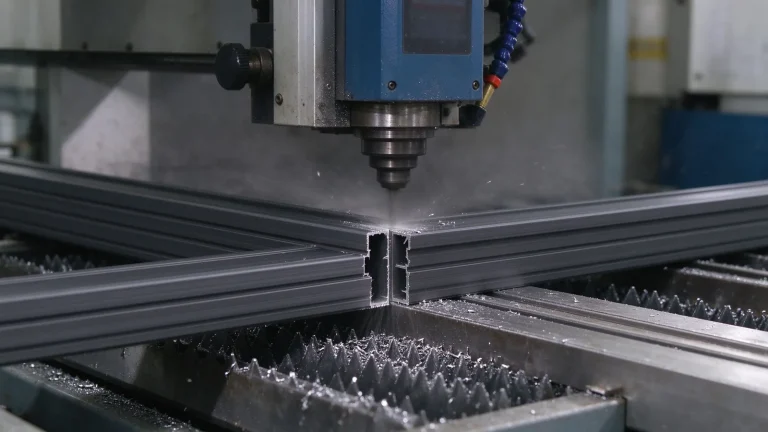
What 6063 and 6061 mean when you are specifying aluminium
Two extrusion alloys, two different jobs. Why the number on the drawing matters more than the colour.
Read article →Related notes
- How an outdoor aluminium structure travels from shop to container
- Why we ask for a dimensioned drawing before anything is cut
- Wall-Mounted or Freestanding Louvre Pergola?
Working on a project? Send a drawing and we reply from the Foshan plant with a first price. Not sure which line fits — start from the six product lines.