
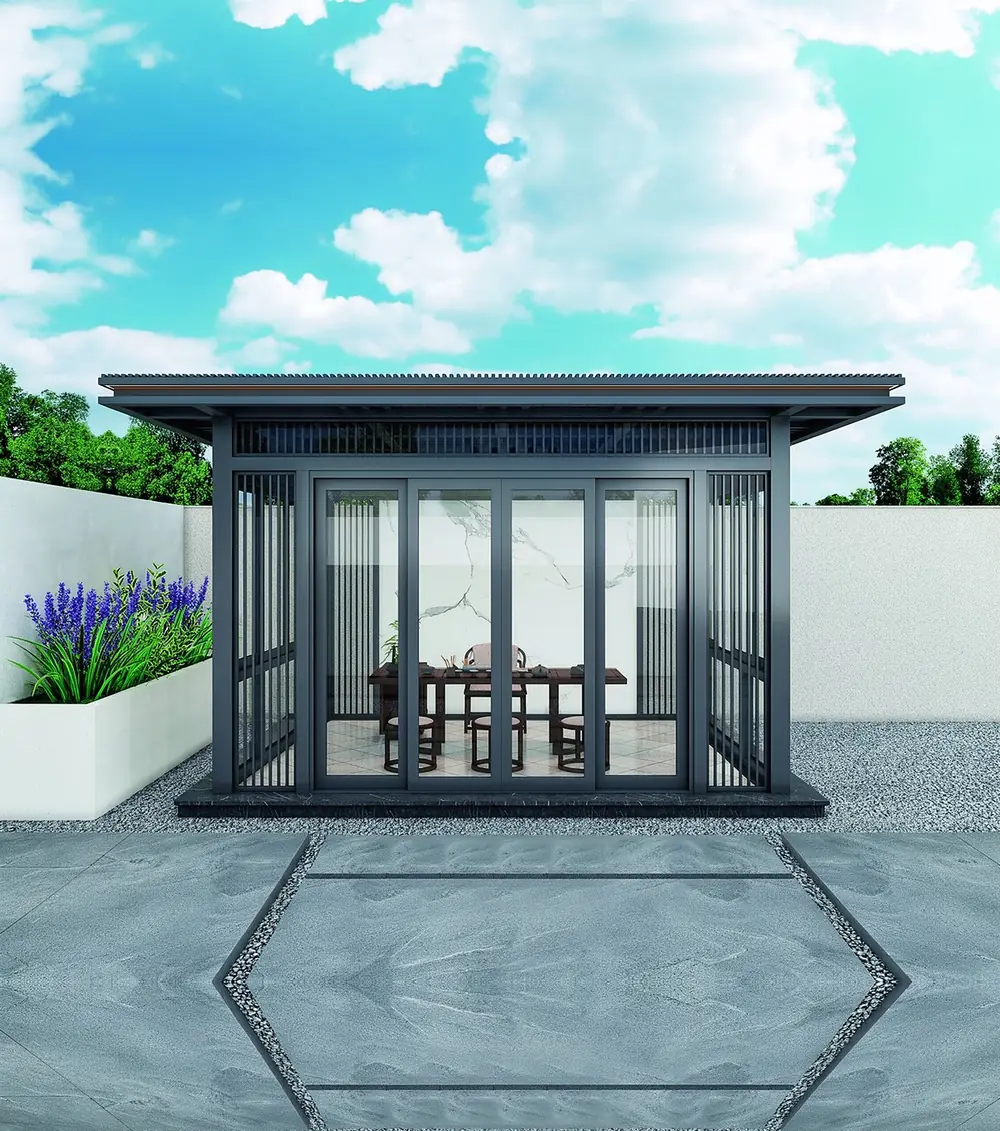
Sample, Trial Order and MOQ for Aluminium Structures
A trial order is the cheapest piece of due diligence available to a buyer of custom structures, and it is the step most often skipped because a sample feels like a delay. The purpose is not to own one bay; it is to find out whether the factory cuts to a drawing, packs properly, answers questions and ships on the date it promised — before the project order depends on any of it.
What a trial order can test
- Whether the drawing is followed. Cut lengths, blade count, post section — all measurable against the approved drawing on arrival.
- Whether the packing survives. A single bay shipped LCL is handled four times; a crate that arrives square has passed the test.
- Whether the marks work. If the bay cannot be identified from the crate marks, installation on a project will be chaos.
- Whether the correspondence is real. A factory that answers a drawing question in a day will answer it in a day on a 40-bay project.
- Whether the finish matches. Colour against a swatch, coating coverage on cut edges, seal quality.
MOQ, honestly
Our minimum is one set. That is a commercial decision rather than a technical one: a single bay still requires a drawing, a cutting list, a coating batch and a crate, so the factory cost per bay is at its highest. A buyer should expect a single set to cost more per square metre than a run of four, and should expect the difference to be explained as setup rather than as a premium.
A supplier who quotes a single bay at the same rate as a hundred is either subsidising the sample or not costing it properly. Both are worth asking about.
Colour samples, and what they prove
A colour card proves a reference exists; a coated sample proves the factory can hit it. Ask for a coated off-cut in the specified RAL, not a printed swatch, and compare it outdoors in daylight rather than in an office. Two RAL references that look identical on paper can differ by a visible step on a 6 metre roof.
Keep the sample. When the order arrives, the sample is the reference in a dispute, and a dispute with a reference is settled in an email rather than in a claim.
What a trial order should include
One bay, at the size the project will use rather than a convenient small size. A trial bay at 2 by 2 metres tests nothing about a 6.5 metre span. Include one motor if the project is motorised, one screen if screens are planned, and the packing method the project will use.
Ship it the way the project will ship. If the project is a 40 ft high cube and the trial is a single crate by air, the packing test is not a test.
The questions to ask on arrival
Measure three things first: the post centres against the drawing, the blade count, and the overall height. Then open the crate and look at the cut ends and the coating. Then assemble one bay and operate it. Four checks, an afternoon, and the answer to the only question that matters: can this factory build the project.
What a trial order costs, and what it saves
A trial bay is usually more expensive per square metre than the project rate, because the setup — drawing, cutting list, coating batch, crate — is carried by one bay. That premium is the price of information, and it is small against the cost of discovering a packing problem on a forty-crate shipment.
It also shortens the project. A buyer who has already approved a drawing, opened a crate and assembled a bay does not need to repeat those steps under deadline. On the timeline, the trial usually pays for itself in the first week of the project.
The three things that make a trial useless
A trial that uses a different bay size from the project, a trial that ships by a different method, and a trial where the buyer does not measure anything on arrival. Each removes the test and leaves only the cost.
Keep it small, keep it representative, and measure it. That is the whole method.
How a trial becomes a project order
The trial drawing becomes the project drawing with the bay sizes changed, and the trial packing list becomes the project packing list with more crates. That continuity is the value: a buyer who has already proven the drawing loop, the marks and the packing does not have to prove them again on a deadline.
Ask for the trial order to be priced with the project volume noted, so the rate the project will carry is visible from the start rather than negotiated later.
Related: why two suppliers quote different prices for the same drawing.
Next step: the three series and their specifications are on the louvered pergola product page. If you already have bay sizes, send them through the contact form for a first price.
Keep reading
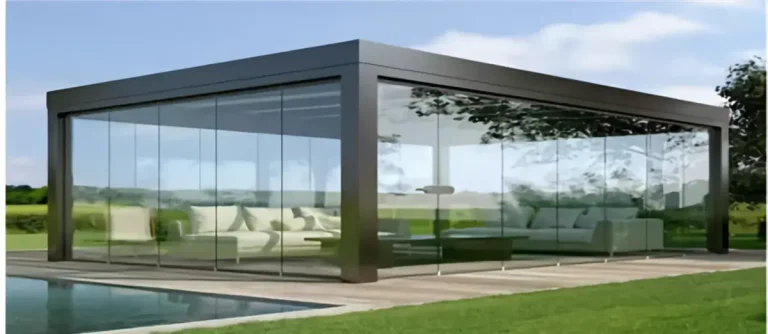
Glass Sliding Doors under a Louvered Roof
Glass sliding doors under a louvered roof: track and threshold, roof fall versus door head, glass weight and…
Read article →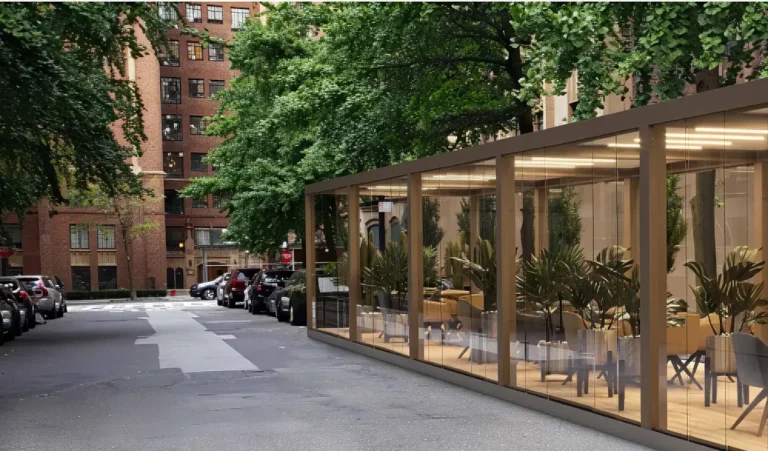
City-Centre Installations: Access, Permits and Working Hours
City-centre pergola installation: access route before price, what triggers a permit, working hour limits, waste, and setting out…
Read article →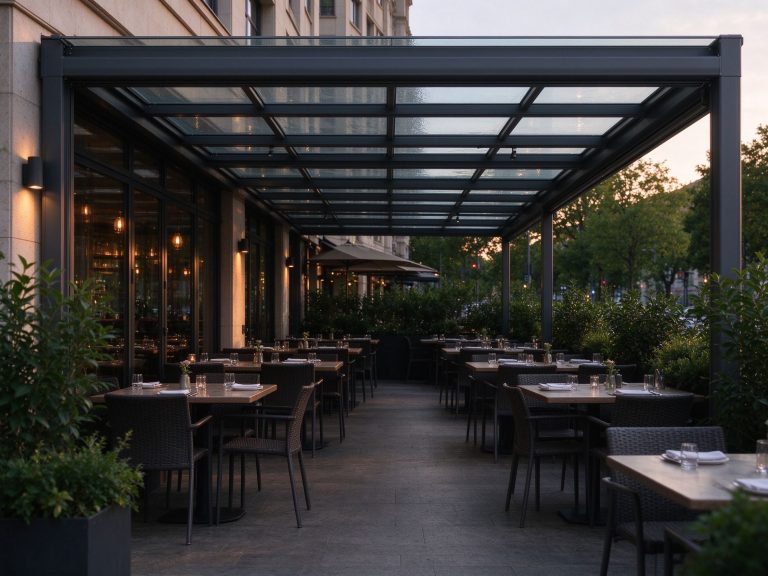
A Louvered Pergola on a Restaurant Terrace
A louvered pergola on a restaurant terrace: bays from the seating plan, drainage clear of tables, controls staff…
Read article →Related notes
- City-Centre Installations: Access, Permits and Working Hours
- Glass Sliding Doors under a Louvered Roof
- A Louvered Pergola on a Restaurant Terrace
Working on a project? Send a drawing and we reply from the Foshan plant with a first price. Not sure which line fits — start from the six product lines.